Picture this: you flip a switch and a steady, comforting warmth spreads through your home, but your utility bill stays stubbornly low. That’s the promise most boiler ads sell, yet the reality in Frisco can be a whole different story.
Homeowners often jump into a boiler install because they think it’s a set‑and‑forget upgrade, only to discover hidden fees, sizing mistakes, and contractors who disappear after the job. Knowing the real costs, the common shortcuts, and the red flags can save you time, cash, and a cold night.
Ready to separate hype from fact and make a decision you won’t regret? Keep reading and we’ll break down the numbers, the pitfalls, and the exact questions you need to ask before signing any contract.
Understanding Boiler Types and Their Suitability for Frisco Homes
Frisco’s winters can swing from mild to bone‑chilling, so picking the right boiler isn’t a guess‑work exercise. Traditional cast‑iron boilers deliver rock‑steady heat but lag on efficiency, while condensing models harvest waste heat and can shave 30% off your fuel bill. Know the difference before you let a salesperson steer you toward the cheapest unit.
Traditional vs. Condensing Boilers
- Cast‑iron (non‑condensing): Durable, lower upfront cost, ideal for older homes with large radiators.
- Condensing (steel or aluminum): Higher price tag, extracts extra heat from exhaust gases, perfect for tight, modern builds.
- Combination (combi) boilers: Provide hot water on demand, great for smaller households that don’t need a separate water heater.
Fuel choice matters just as much as the boiler style. Natural gas is the go‑to in most Frisco neighborhoods, but if you’re on the edge of a propane line or have an oil tank, the boiler you pick must match that fuel. Don’t let a mismatch drain your wallet later.
Why Climate Drives the Decision
Frisco’s climate demands a system that can crank up quickly on a frosty night yet stay gentle when the sun peeks out. A high‑efficiency condensing boiler will keep indoor temps stable without spiking the meter. If your home has a slab foundation, look for a unit with a low water temperature rating to protect pipework.
Calculating True Installation Costs: Equipment, Labor, and Hidden Fees
Equipment Costs
Not all boilers are created equal. A high‑efficiency condensing unit can run $3,000‑$5,000, while a basic non‑condensing model may sit around $1,800.
Don’t forget the extras: venting kits, expansion tanks, and control boards. Those add up fast.
Labor & Installation Fees
Professional installers charge by the hour and by the job. Expect $1,200‑$2,500 for a full‑service install in Frisco.
Factors that push the price higher include:
- Complex pipe runs or retrofits
- Electrical upgrades
- Permitting and inspection fees
Hidden Charges to Watch
Many homeowners are surprised by “miscellaneous” line items. Common culprits are:
- Disposal fees for the old furnace or boiler
- Travel surcharges if the crew has to drive far
- After‑hours premiums for weekend or night work
Ask for a detailed, itemized quote before you sign. A transparent contractor will break every cost down on paper.
Proper Sizing: How to Avoid Over‑ or Under‑Sizing Your Boiler
Heat Load Calculation
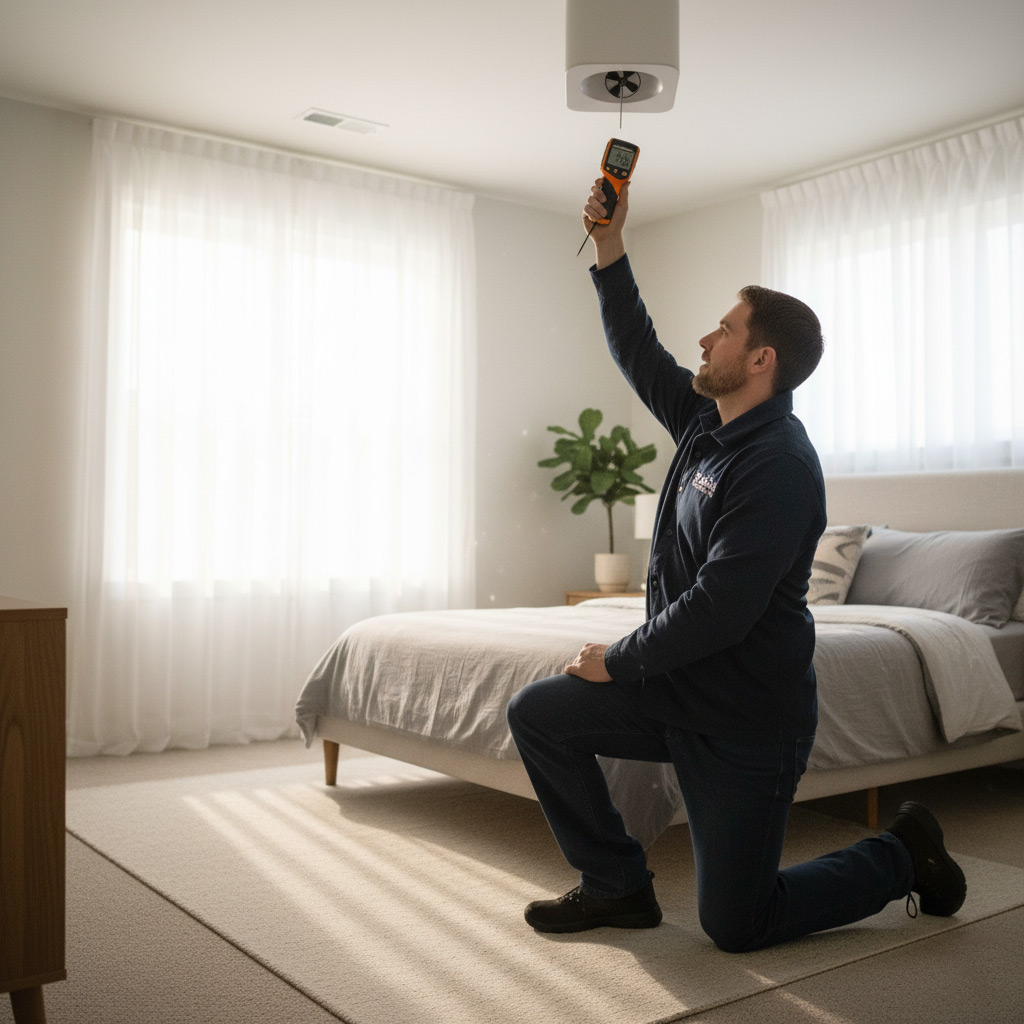
Before you even glance at a price tag, you need a solid heat‑load number for your home. Square footage, ceiling height, insulation quality, and window count all play a part.
Grab a qualified HVAC pro and ask for a Manual J assessment. It’s the only way to know the exact BTU demand.
- Square footage – larger homes need more output.
- Insulation R‑value – poor insulation spikes the required size.
- Window orientation – south‑facing windows add heat, north‑facing take it away.
Consequences of Getting It Wrong
Oversized boilers cycle on and off like a flickering light. That short‑run life means higher repair bills and wasted fuel.
Undersized units run nonstop, never reaching the set temperature, and your utility bill will scream.
Ask the Right Questions
When you meet a contractor, fire these queries:
- Do you perform a Manual J before recommending a model?
- What efficiency rating (AFUE) does the boiler have?
- Can you show me a sizing report that matches my home’s specs?
Answers that dodge any of these are a red flag. A confident pro will have the paperwork ready.
Choosing the Right Contractor: Credentials, Reviews, and Red Flags
Credentials that actually count
Don’t be fooled by a glossy website; the real proof lives in licenses, insurance, and certifications. Look for a Texas‑state HVAC license, a $1 million liability policy, and a North American Technician Excellence (NATE) badge on the installer’s nameplate. If the contractor can’t hand you a copy of these documents on the spot, walk away.
What the reviews are really saying
Online ratings are a goldmine, but you have to read between the lines. Five‑star reviews that sound like press releases usually hide a lack of detail. Focus on comments that mention:
- Timeliness – did they finish on schedule?
- Transparency – were costs broken down before work began?
- Follow‑up – did they call after the install to ensure everything ran smooth?
If a contractor’s recent reviews are all “great job” with no specifics, that’s a red flag louder than any “no‑show” complaint.
Red flags you can’t ignore
Here’s the short list of deal‑breakers that should make you hang up the phone:
- Quotes that are “too good to be true” – they usually skip permits or cheap‑grade parts.
- Pressure tactics – “We only have one slot left this week” is a classic bait.
- Lack of a written contract – verbal promises evaporate faster than summer heat.
- Unwillingness to provide references – a reputable installer will gladly connect you with past clients.
When you see any of these, trust your gut and keep searching. The right contractor will be proud to show you the paperwork, the reviews, and the clean track record.
The Installation Process: What to Expect Day‑by‑Day
Day 1 – Site Prep and Inspection
First thing the crew does is walk the house, check clearances, and verify the existing venting meets code. Any obstacles—like a cramped basement or outdated gas line—are flagged before the heavy lifting starts.
They’ll also run a quick pressure test on the gas line and take a baseline reading of your current heating output. This data becomes the benchmark for the new boiler’s performance.
Day 2 – Removal and Rough‑In
Old equipment is disconnected, capped, and hauled away. The team then installs new pipe runs, mounts the boiler, and hooks up the vent system.
- New flue pipe is sealed with high‑temperature tape.
- All electrical connections are double‑checked with a multimeter.
- Insulation blankets are placed around the unit to protect against heat loss.
Day 3 – Controls, Fill, and Test Run
Control panels are programmed to match your home’s square footage and desired temperature zones. The boiler is filled with water, purged of air, and fired up for the first time.
During the test run the tech watches pressure gauges, listens for odd noises, and measures combustion efficiency. If everything checks out, they’ll hand you a simple “how‑to” sheet and schedule a follow‑up for final sign‑off.
Case Study: Successful Boiler Installation in a Frisco Neighborhood
Meet the Martins
The Martin family lives on a quiet cul‑de‑sac in Frisco. Their 2,800‑sq‑ft ranch was battling uneven heat and sky‑high bills. After a thorough load‑calc, they chose a 95% AFUE condensing boiler that matched their home’s footprint.
The Installation Journey
We paired the Martins with a certified local contractor who showed up on schedule, completed a pre‑install walkthrough, and ordered the exact pipe lengths to avoid waste. The crew finished the mechanical work in three days, then spent a full day on system balancing and a final performance test.
Results That Speak Volumes
Within the first month, the Martins saw a 22% drop in heating costs and reported consistent warmth from the basement to the attic. Their feedback was simple: “No more cold spots, no surprise fees.”
- Accurate sizing eliminated the need for costly retrofits.
- Transparent pricing kept the total under the quoted $9,800.
- Five‑star contractor reviews rose after the job, proving the power of a vetted pro.
Final Words
Stay Ahead of the Curve
Don’t let your boiler become a “set‑and‑forget” myth. Keep a logbook of service dates, parts replaced, and any quirks you notice. A quick glance at that notebook can save you from a surprise shutdown in the middle of a Texas winter.
Three Quick Actions
- Schedule a professional tune‑up before the heating season kicks in.
- Verify the contractor’s license and insurance—ask for copies, not just a badge on the wall.
- Set a reminder to check the pressure gauge monthly; it’s a tiny habit with big payoff.
When you’re ready to move forward, browse our Boiler Installation page for vetted pros who know Frisco’s climate inside out.
People Also Ask
What boiler type is best for a typical Frisco, TX home?
A high‑efficiency condensing boiler is usually the top choice because it handles the region’s temperature swings while saving on fuel costs. It also fits well with the common forced‑air and radiant heating systems found in Frisco homes.How much does a complete boiler installation really cost in Frisco?
The total cost typically ranges from $5,000 to $12,000, covering the boiler unit, labor, permits, and any necessary duct or pipe modifications. Hidden fees can include disposal of the old system, upgrades to venting, and a possible electrical service boost.Why is proper boiler sizing critical for my home?
An oversized boiler wastes energy and cycles on and off, reducing lifespan, while an undersized unit can’t meet heating demand, leading to discomfort and higher utility bills. Accurate load calculations ensure optimal performance and efficiency.What credentials should I look for when hiring a boiler installer in Frisco?
Choose contractors with a valid Texas HVAC license, NATE certification, and insurance coverage. Positive local reviews, a clear written estimate, and a warranty on both labor and equipment are also key indicators of reliability.What can I expect on the day the boiler is installed?
The crew will first shut off utilities, remove the old boiler, and prep the site. They’ll then position the new unit, connect gas, water, and electrical lines, test for leaks, and perform a startup to verify proper operation before cleaning up.
Frisco HVAC brings over 15 years of heating and cooling expertise to the Frisco community. Their certified technicians specialize in residential and commercial systems, delivering reliable service tailored to local climate demands. Committed to energy efficiency and responsive support, they keep homes comfortable year‑round.
Need HVAC?
We deliver rapid, results‑driven solutions for homes and businesses in Frisco, TX and nearby ZIPs (75034, 75035, 75036, 75033, 75023). Our focus on speed and measurable outcomes keeps projects on schedule and on budget.
Request a fast quote