Ever wonder why your AC sputters on the hottest Frisco afternoons while the neighbor’s unit hums like a lullaby? The truth is, most homeowners are being sold a story that keeps the real fix hidden.
Seasoned techs in town have a handful of tricks they never write down in a brochure—quick diagnostics, cheap workarounds, and the exact moment to call in a specialist before the bill blows up. Those shortcuts can mean the difference between a cool night and a sweaty scramble for a portable fan.
In this post we’ll pull back the curtain on the little‑known tactics that keep your system running smooth, and show you how to spot a “quick‑fix” that’s actually a money‑sucker. You’ll walk away with the confidence to ask the right questions and avoid the common pitfalls that drain wallets.
Ready to stop guessing and start fixing like a pro? Keep reading and discover the secrets the pros don’t want you to know.
The Hidden Costs of “Quick‑Fix” Repairs
When a tech tells you “it’ll be a $150 fix,” you’re hearing the tip of an iceberg. The cheap part is the labor, but the real bill hides in the fallout: premature part failure, higher energy use, and endless service calls that add up faster than you think.
What You’re Really Paying For
- Short‑lived parts – a $30 capacitor may work for a month, then the whole compressor quits.
- Increased utility bills – a mis‑aligned fan forces the system to run harder, spiking your electric bill by 15‑20%.
- Extra technician visits – each “follow‑up” costs $120‑$180, and you’re back to square one.
- Lost comfort – a half‑working unit forces you to crank the thermostat, draining comfort and cash.
Bottom line: a quick fix is often a loan you’ll pay back with interest. Spot the red flags, demand a proper diagnosis, and you’ll keep your wallet and your AC humming all summer long.
How Pros Diagnose AC Problems in Under 5 Minutes
First thing a seasoned tech does is listen. A quick ear‑to‑unit tells you if the compressor is whining, the fan is rattling, or the refrigerant is whisper‑quiet. Then they glance at the thermostat, check the outdoor unit’s fan blades, and note any obvious leaks or frost. All of that takes less time than a coffee break.
The 5‑Minute Checklist
- Power check: Is the breaker tripped? Is the disconnect switch on?
- Thermostat readout: Is it set to “cool” and the temperature lower than the room?
- Airflow test: Hold a piece of paper near the vent; if it barely moves, the coil is clogged.
- Outdoor unit glance: Look for debris, bent fins, or a puddle of water.
- Quick temperature snap: Use a handheld infrared gun to compare indoor supply air (should be ~55°F) with return air.
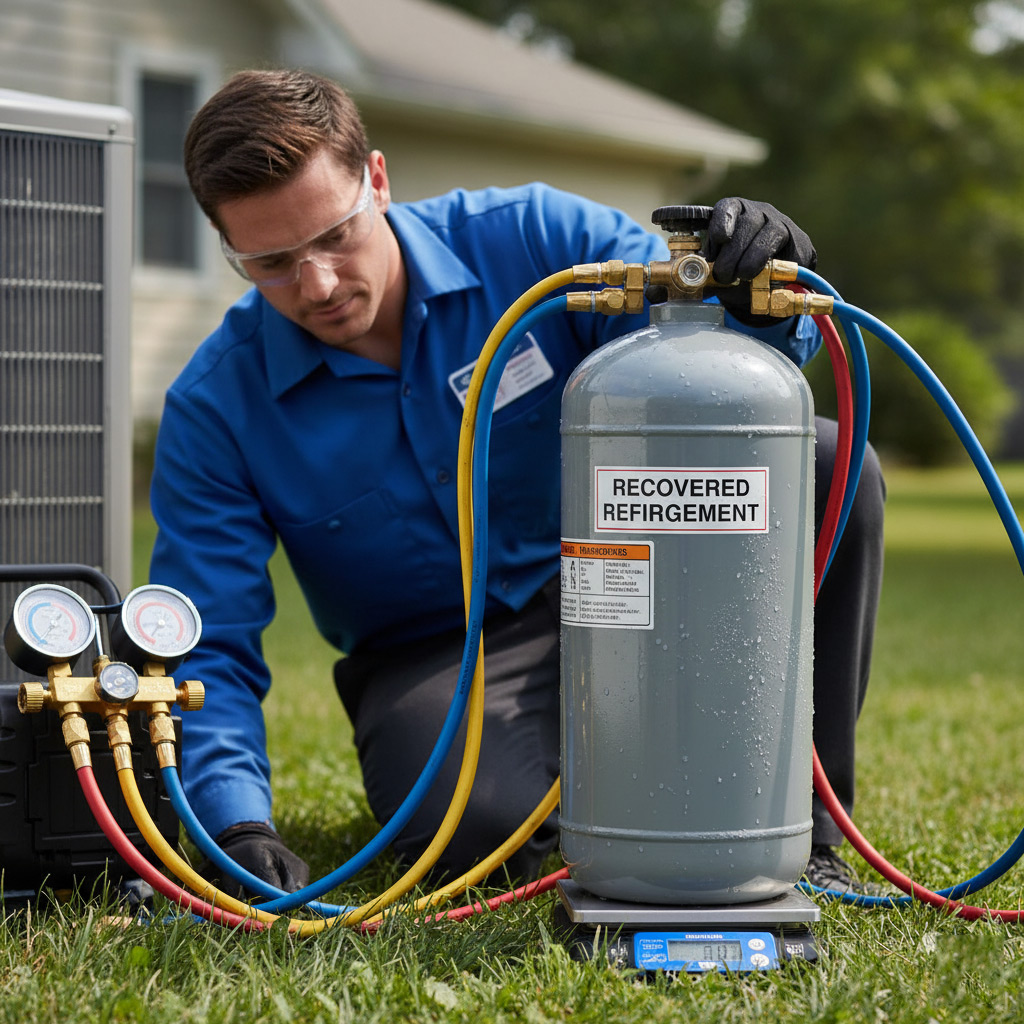
Once the visual sweep is done, the pros pull out a digital manifold gauge. In under a minute they read low‑side and high‑side pressures, compare them to the manufacturer’s specs, and instantly know if the refrigerant charge is off. If the numbers line up, they move on to the next clue; if not, they’ve found the culprit before the first invoice is even drafted.
The Three Most Overlooked Maintenance Tasks That Extend Lifespan
Most homeowners think swapping the filter is enough. The truth is, three tiny habits keep a Frisco AC humming for years, and they’re rarely mentioned in sales pitches.
1. Clean the Condenser Coils — the “secret” heat‑exchanger
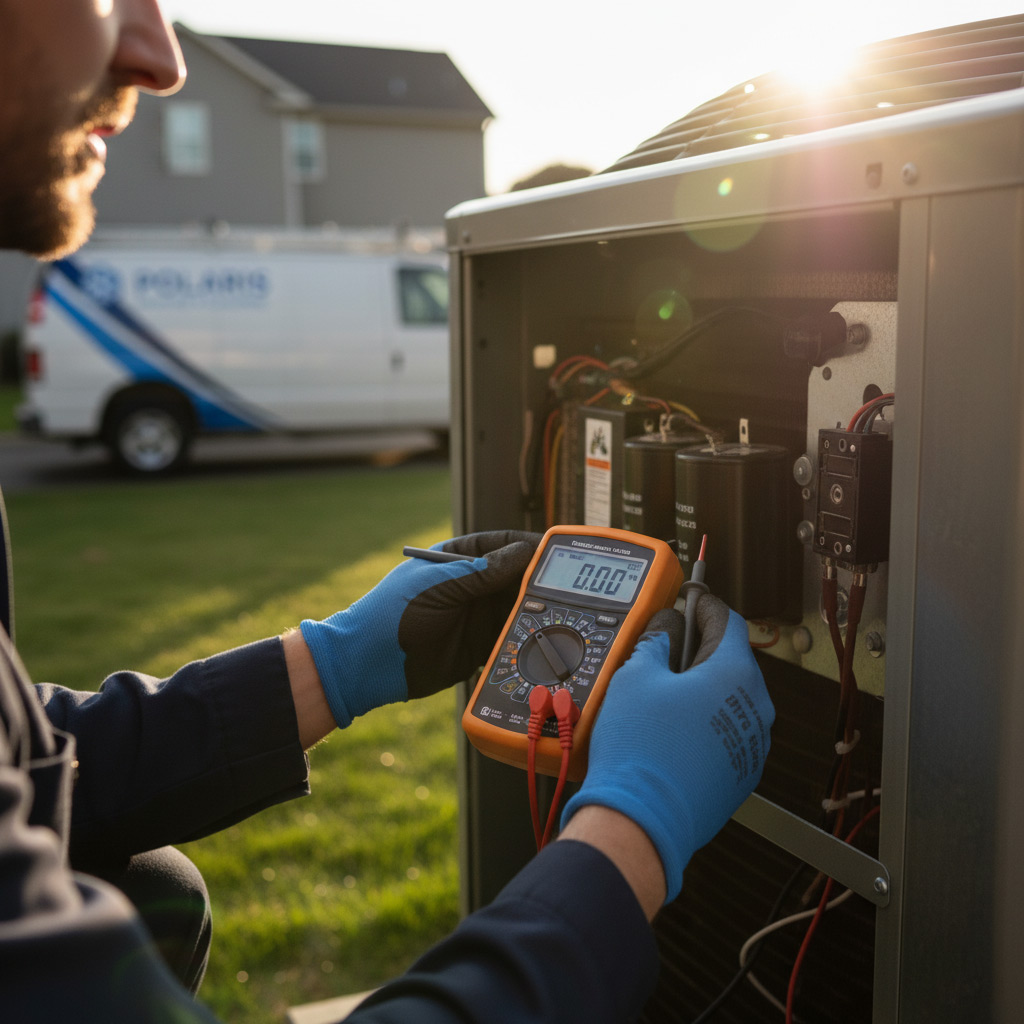
Dust and pollen coat the outdoor coils, forcing the compressor to work harder. A quick spray with a garden hose (low pressure) and a soft brush can shave off up to 15 % of energy waste.
- Turn off power, remove the protective grill.
- Brush away debris, then rinse from the inside out.
- Let it dry completely before restarting.
2. Inspect and Tighten All Electrical Connections
Vibrations loosen terminals, creating heat spots that shorten component life. A simple screwdriver check once a season catches the problem before it sparks.
- Look for corrosion or burnt edges.
- Torque screws to manufacturer specs (usually 5‑7 in‑lb).
- Replace any frayed wires immediately.
3. Flush the Drain Line — preventing “mold‑money” leaks
Standing water in the condensate pan breeds algae, which clogs the drain and can flood your basement. A cup of bleach mixed with water, poured down the line, keeps it clear for months.
- Locate the PVC pipe near the indoor unit.
- Pour ½ cup bleach, wait 15 minutes.
- Flush with a garden hose to clear residue.
When to Insist on a Full System Inspection vs. a Patch Job
Red Flags That Demand a Full Look
If your AC is coughing, cycling on and off, or the thermostat shows a temperature swing of more than five degrees, you’re not dealing with a simple loose wire.
These symptoms usually mean the whole system is out of balance. Call for a comprehensive inspection and ask the tech to:
- Check refrigerant pressure and charge levels.
- Run a full coil cleaning and evaluate airflow.
- Test the compressor’s electrical health.
When a Quick Fix Won’t Kill You
A rattling noise that stops after the unit runs a few minutes, or a single tripped breaker, often points to a minor issue.
In those cases a targeted patch can save you time and money—provided the technician:
- Verifies the cause isn’t a symptom of a larger leak.
- Documents the repair and sets a follow‑up date.
- Shows you the exact part that was replaced.
Ask your contractor, “Will this fix hold for the next season, or am I looking at a repeat call?” If the answer leans toward “maybe,” push for the full inspection. It’s cheaper to catch a hidden problem now than to chase it later.
DIY Checks Homeowners Can Safely Perform Before Calling a Tech
Before you dial a service line, run a quick visual sweep. It takes five minutes, saves dollars, and often reveals the culprit.
Thermostat sanity check
Make sure the thermostat is set to cool and the fan is on “auto,” not “on.” A dead battery can throw off the temperature reading, so replace it if the display looks dim.
- Turn the dial down a few degrees and listen for the unit to kick on.
- Reset the system by turning the thermostat off for a minute, then back on.
Outdoor unit inspection
Pull the grill back and clear any debris—leaves, twigs, or a stray soccer ball. A blocked coil forces the compressor to work harder.
- Use a garden hose on a gentle spray; avoid high pressure that could bend fins.
- Check the fan blades for cracks or wobble; a loose blade makes a lot of noise.
Listen for odd sounds
Stand near the indoor blower and the outdoor fan. A rattling or grinding noise is a red flag that something’s out of alignment.
- Turn the system off, then manually spin the fan; it should move smoothly.
- If you hear a high‑pitched squeal, the motor bearings might need lubrication—something a pro should handle.
Real‑World Case Study: How a Frisco Home Saved $2,300 with the Right Repair Strategy
Background
When the Martinez family called, their 12‑year‑old split‑system was blowing warm air and rattling like a cheap washing machine. The first quote they got was a $3,800 “full replacement” that sounded like a nightmare. They weren’t ready to toss a perfectly good unit.
The Diagnosis
Our tech arrived, ran a 5‑minute pressure test, and discovered a clogged condensate line and a failing capacitor—two cheap fixes that a generic contractor would overlook. Instead of a brand‑new furnace, we recommended a targeted repair plan. The homeowner was skeptical, but the numbers spoke for themselves.
The Solution & Savings
We replaced the capacitor ($120) and cleared the drain line ($80), then performed a thorough coil cleaning ($150). The total bill? $350. Compare that to the $2,650 “full system” estimate, and you see where the $2,300 savings came from.
- Capacitor swap: restored proper voltage, stopped the humming.
- Drain line cleaning: eliminated water backup, prevented future leaks.
- Coil cleaning: improved airflow, cut energy use by ~12%.
Final Words
Don’t let a “quick‑fix” become a recurring nightmare. Keep an eye on the little signs—odd noises, uneven cooling, or a spike in your electric bill. Spotting them early saves you time, sweat, and cash.
What to Do Next
- Schedule a full system inspection before the next heat wave hits.
- Ask the tech to show you the diagnostic read‑out; transparency is a good sign.
- Keep a simple log of filter changes and thermostat settings.
When you’re ready to take the next step, explore our Air Conditioning Repair services. We’ll give you the straight‑talk you deserve, no fluff, just cool comfort.
People Also Ask
What hidden costs can arise from “quick‑fix” AC repairs in Frisco?
Quick fixes often ignore underlying issues, leading to repeated service calls, higher energy bills, and premature system failure. Over time, these hidden expenses can exceed the cost of a proper repair by several hundred dollars.How do HVAC pros diagnose AC problems in under 5 minutes?
Technicians use a systematic checklist that includes visual inspection, temperature differentials, and pressure readings from specialized gauges. This rapid assessment pinpoints the root cause without unnecessary guesswork.Which maintenance tasks are most commonly overlooked but extend AC lifespan?
Cleaning the evaporator coil, lubricating fan motor bearings, and checking refrigerant line insulation are three tasks many homeowners skip. Performing them regularly can add 3‑5 years to an AC unit’s useful life.When should I demand a full system inspection instead of a simple patch job?
If the unit is older than 10 years, shows frequent cycling, or has recurring leaks, a comprehensive inspection is essential. A full evaluation prevents costly breakdowns and ensures the system operates efficiently.What DIY checks can I safely do before calling an HVAC technician?
Homeowners can verify the thermostat setting, replace or clean the air filter, and ensure the outdoor condenser is free of debris. These simple steps often resolve minor issues and give the tech clearer information.
Frisco HVAC brings over 15 years of heating and cooling expertise to the Frisco community. Their certified technicians specialize in residential and commercial systems, delivering reliable service tailored to local climate demands. Committed to energy efficiency and responsive support, they keep homes comfortable year‑round.
Need HVAC?
We deliver rapid, results‑driven solutions for homes and businesses in Frisco, TX and nearby ZIPs (75034, 75035, 75036, 75033, 75023). Our focus on speed and measurable outcomes keeps projects on schedule and on budget.
Request a fast quote