
Imagine the Texas heat pounding your roof while your old furnace coughs like a tired dog—every breath feels like a gamble.
Skipping a replacement isn’t just uncomfortable; it’s a money‑sucking black hole that can leave you stranded when the next storm hits.
In the next few minutes we’ll walk you through a no‑nonsense, step‑by‑step roadmap tailored for Frisco homeowners, so you can ditch the guesswork and lock in reliable comfort. Keep reading to see exactly what to do next.
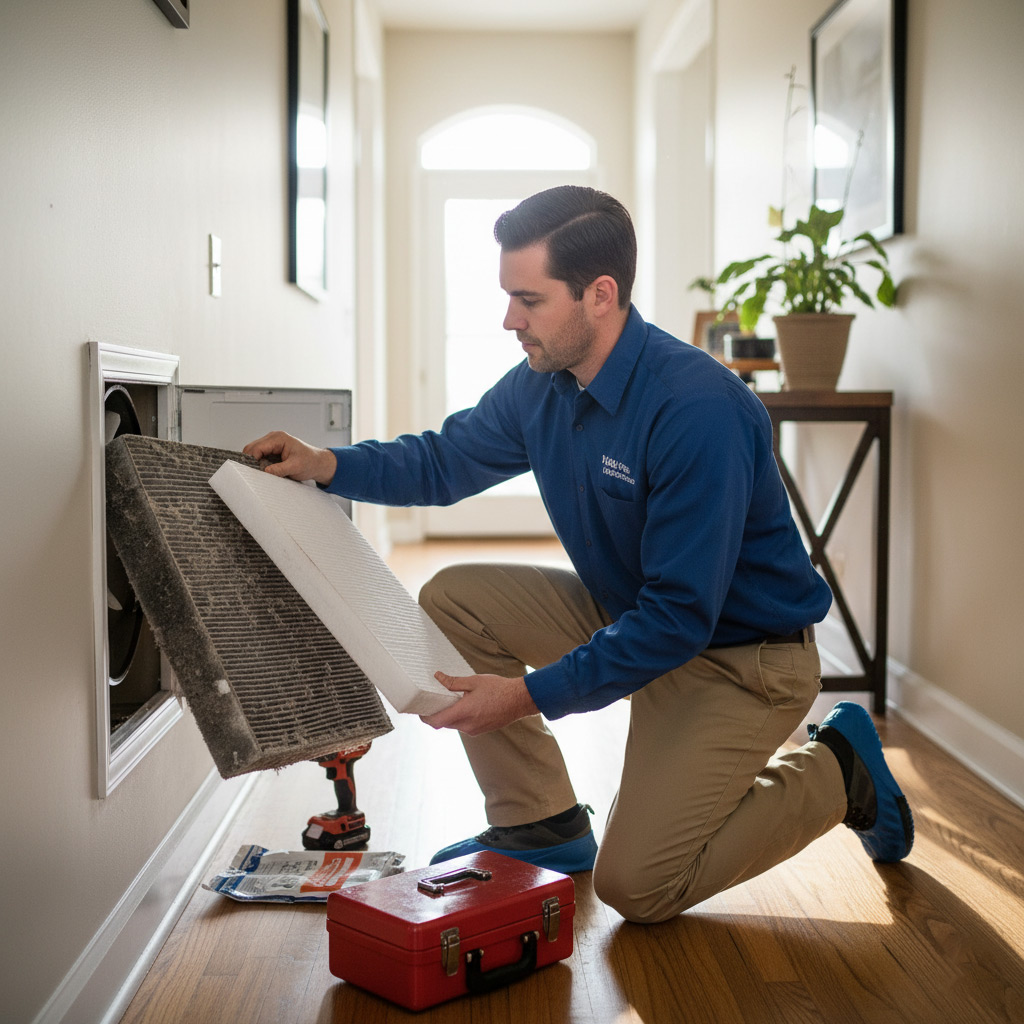
Assessing Your Current HVAC System and Recognizing Replacement Signs
First thing’s first: pull the age tag off your furnace or air‑conditioner. Most units in Frisco sit on the shelf for 10‑15 years before they start acting up. If the serial number reads “1999” or “2005,” you’re already in the danger zone, and every extra year is a gamble on your wallet.
Red flags that scream “time to replace”
- Rising utility bills despite unchanged usage – energy waste is a silent thief.
- Uneven temperatures from room to room – the system is losing its grip.
- Strange noises: rattling, grinding, or a high‑pitched squeal – the mechanics are begging for help.
- Frequent repairs – if you’re calling a tech every month, the math says “new unit.”
- Visible wear: rusted coils, cracked ducts, or a furnace that won’t ignite.
Don’t ignore the little things. A slight drop in airflow or a faint odor can be the first domino. Run a quick self‑check: turn the thermostat up a few degrees and see if the house actually gets warmer. If it doesn’t, that’s a clear sign the heart of your HVAC is on its last legs.
Determining the Right Size and Type of HVAC for Frisco’s Climate
Frisco’s weather swings from scorching 100‑degree summers to bone‑chilling 20‑degree winters. Getting the right capacity means your system won’t run forever trying to keep up, and it won’t waste electricity when the sun’s out. A professional will run a Manual J load calculation – that’s the industry’s gold standard for matching BTU output to your home’s square footage, insulation, and window exposure.
Choosing the Best System Type
Once you know the numbers, pick a system that fits the climate and your lifestyle. Heat pumps excel in mild winters and can double as air conditioners, while a traditional furnace paired with an AC unit gives you raw power for those brutal cold snaps. Consider a variable‑speed model if you crave quiet operation and precise temperature control.
- Split‑system AC + furnace: Classic, reliable, easy to service.
- Air‑source heat pump: Energy‑savvy, works well in Frisco’s moderate winters.
- Hybrid (dual‑fuel) system: Switches between heat pump and furnace for optimal efficiency.
- Geothermal: High upfront cost, but the ultimate low‑running‑cost solution.
Key Factors That Influence Size
Don’t let a “one‑size‑fits‑all” salesman fool you. The right size depends on:
- Home square footage and ceiling height.
- Insulation quality and air sealing.
- Window orientation and shading.
- Number of occupants and typical usage patterns.
Budgeting, Financing Options, and Energy‑Efficiency Incentives in Texas
Know Your Numbers
Before you start shopping, write down the total cost you’re comfortable spending. Equipment, labor, permits, and cleanup all add up.
Break the estimate into bite‑size pieces so you can see where the dollars go.
- Unit price – the HVAC system itself.
- Installation labor – the crew’s time and expertise.
- Permits & inspections – required by Frisco.
- Disposal of old equipment – often overlooked.
Financing That Won’t Break the Bank
Most homeowners don’t have cash on hand, so a smart financing plan is a must. Look for zero‑interest promos or low‑rate loans that match the life of your new system.
Ask the contractor about their in‑house financing or partner programs. It can shave weeks off the approval process.
- 0% APR for 12‑18 months – ideal for short‑term cash flow.
- Home equity line of credit – leverages your property’s value.
- Credit union loans – often lower rates than big banks.
- Manufacturer rebates – sometimes bundled with financing.
Grab the Money Texas Gives You
Texas loves energy‑saving upgrades, and the state offers several cash incentives that can cut your out‑of‑pocket cost dramatically.
Combine federal tax credits with local rebates for a double‑dip effect.
- Federal Residential Energy Efficiency Tax Credit – up to 30% of equipment cost.
- TX‑Power & Oncor rebates – vary by system SEER rating.
- Frisco Home Improvement Grant – limited funds, first‑come first‑served.
- Utility company “Save‑More” programs – instant rebates after installation.
Choosing a Licensed Frisco HVAC Contractor: What to Look For
Credentials Matter
First thing – make sure the contractor holds a Texas HVAC license and is bonded. Without that paperwork, you’re gambling with your home’s safety. Ask for their license number and verify it on the Texas Department of Licensing website.
Local Reputation
Frisco isn’t a big city, so word travels fast. Look for reviews that mention punctuality, clean work sites, and how they handled unexpected issues. A company that proudly displays a “Frisco Certified” badge usually knows the local code quirks.
What to Vet Before You Sign
- Written estimate that breaks down labor, parts, and permits.
- Proof of insurance – general liability and workers’ comp.
- Warranty details – both manufacturer’s and labor guarantees.
- Availability of 24/7 emergency service for those Texas storms.
Ask for references from recent Frisco projects. A solid contractor will gladly share contact info; a dodgy one won’t. When the answers line up, you’ve got a partner, not just a service provider.

The Installation Process: From Permits to Final Testing
Permits & Pre‑Installation Checklist
Before any wrench turns, the city of Frisco wants to see a copy of your building permit. It’s a quick paperwork dance, but skipping it can halt the whole job.
Ask your contractor to bring:
- Proof of contractor’s license
- Insurance certificate
- Detailed layout of the new system
Out with the Old, In with the New
The crew first disconnects the legacy furnace, caps the refrigerant lines, and safely disposes of the old unit. They then prep the site—checking clearances, sealing gaps, and reinforcing the mounting pad.
Key steps include:
- Verifying proper duct sizing for Frisco’s swing‑season climate
- Installing a new condensate drain with a back‑flow preventer
- Running fresh refrigerant lines to the outdoor condenser
Final Testing & Homeowner Walk‑Through
Once everything is hooked up, the tech runs a series of checks: pressure gauges, temperature differentials, and airflow measurements. They’ll fine‑tune the thermostat and show you how to set schedules for peak comfort.
When the numbers are green, you’ll get a short demo—how to change filters, read error codes, and what to expect during the first 30‑day warranty period.
Case Study: Successful HVAC Replacement for a Frisco Family Home
The Situation
When the Martinez family noticed their furnace sputtering on a 95‑degree July afternoon, they knew something was off. Their 12‑year‑old split‑system was coughing, the thermostat was stuck at 78°, and the energy bill had jumped 30% in six months. They needed a fix fast, before the next heat wave turned their living room into a sauna.
The Solution
We started with a load‑calculation tailored to Frisco’s swing‑season climate. The result? A 3‑ton, high‑efficiency heat pump that could handle both scorching summers and chilly winters. The family chose a unit with a SEER rating of 18, qualifying for Texas’ energy‑rebate program.
- Permits secured in 48 hours
- Old equipment removed and responsibly recycled
- New ductwork sealed with mastic, eliminating leaks
- Smart thermostat installed for remote control
The installation crew worked a single 9‑hour day, keeping the Martinez kids entertained with a quick “HVAC trivia” game while we hooked up the new system. By sunset, the house was humming at a comfortable 72°F.
The Results
First month’s utility bill dropped 22%, and the family reported “instant relief” the moment the new blower kicked on. Noise levels fell from a rattling 68 dB to a whisper‑quiet 48 dB, making bedtime a breeze. The rebate covered $1,200 of the $7,800 project, and the financing plan spread the rest over 36 months with zero interest.
Final Words
Don’t let your new HVAC sit idle for months. A quick 15‑minute check‑up each season catches wear before it becomes a wallet‑draining disaster. Schedule it now and you’ll sleep easy when the next Texas thunderstorm rolls in.
Simple habits that keep comfort on lock
- Swap or clean filters every 30‑45 days – a dirty filter is the #1 cause of reduced airflow.
- Inspect outdoor coils for debris after each big wind event; a garden hose blast does the trick.
- Set the thermostat 1‑2 °F lower in summer and 1‑2 °F higher in winter; you’ll shave off 5‑10 % on the electric bill.
Stay in the loop on Texas‑wide rebates and tax credits. The state often rolls out energy‑efficiency incentives that can shave hundreds off your next upgrade. For the full list, swing by our HVAC Replacement page.
When it’s time for a service call, pick a contractor who’s licensed, insured, and backed by real reviews from Frisco families. A quick phone chat should reveal their response time, warranty details, and whether they handle the paperwork for permits. That’s the difference between a smooth install and a headache you didn’t sign up for.
People Also Ask
How do I know if my HVAC system needs to be replaced?
If your unit is over 10‑15 years old, requires frequent repairs, or struggles to maintain a comfortable temperature, it’s likely time for a replacement. Look for rising energy bills and uneven airflow as additional warning signs.What size HVAC system is right for a home in Frisco, TX?
A proper load calculation (Manual J) considers square footage, insulation, window orientation, and local climate. Most Frisco homes require a system ranging from 3‑5 tons, but a professional assessment ensures the exact size.Are there Texas incentives for installing energy‑efficient HVAC equipment?
Yes, Texas offers rebates through the Texas Emissions Reduction Plan (TERP) and utility‑specific programs that can cover up to 30% of the equipment cost. Check with your local utility and the Texas Comptroller’s website for the latest offers.What qualifications should I look for in a Frisco HVAC contractor?
Choose a contractor with a Texas state HVAC license, proper insurance, and positive BBB or Google reviews. Certifications such as NATE or ACCA indicate advanced training and commitment to quality.How long does a full HVAC replacement take from permits to final testing?
The process typically spans 1‑2 weeks: 1‑2 days for permitting, 2‑4 days for removal and installation, and a final day for testing, balancing, and homeowner walkthrough. Delays can occur if additional ductwork or electrical upgrades are needed.
Frisco HVAC brings over a decade of certified heating and cooling expertise to the Frisco community. Their team combines local knowledge with advanced training to deliver reliable climate solutions for homes and businesses. Committed to responsive service, they prioritize comfort and efficiency for every client.
Need HVAC?
We deliver rapid, results‑driven solutions for homes and businesses in Frisco, TX and nearby ZIPs (75034, 75035, 75036, 75033, 75023). Our focus on speed and measurable outcomes keeps projects on schedule and on budget.
Request a fast quote